
Forests
and Biocarbon
Renewable forests supplying a more sustainable steel industry
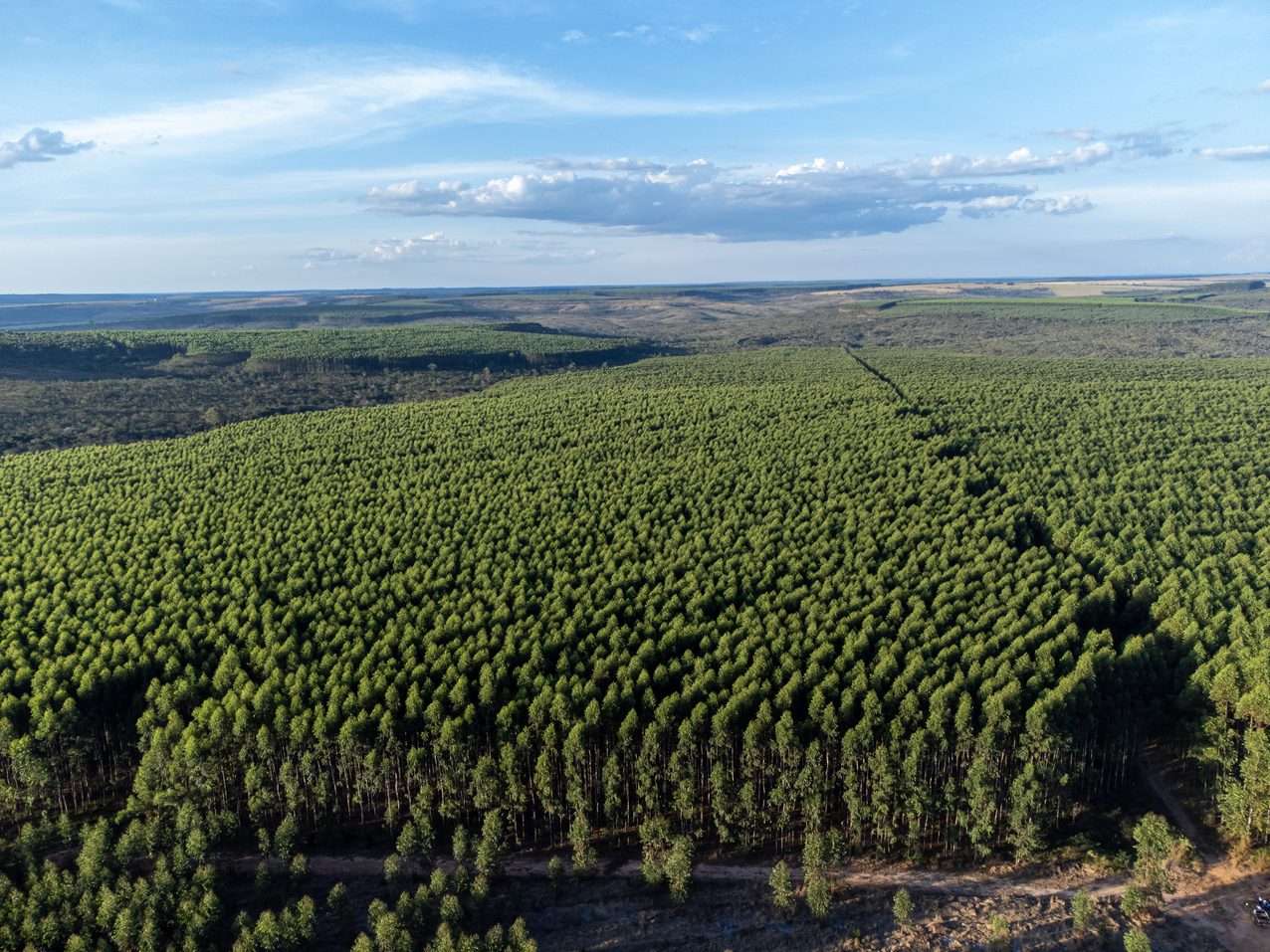
A SDS Florestal is the Siderflor Group business unit responsible for part of the forest supply planning, for biocarbon production and for supporting the supply of SDS Siderúrgica's operations. Its work combines operational efficiency, environmental responsibility and supply security, strengthening a renewable, lower-carbon production chain.
SDS Florestal brings together supply planning, biocarbon production, environmental responsibility and supply security.

SDS Florestal
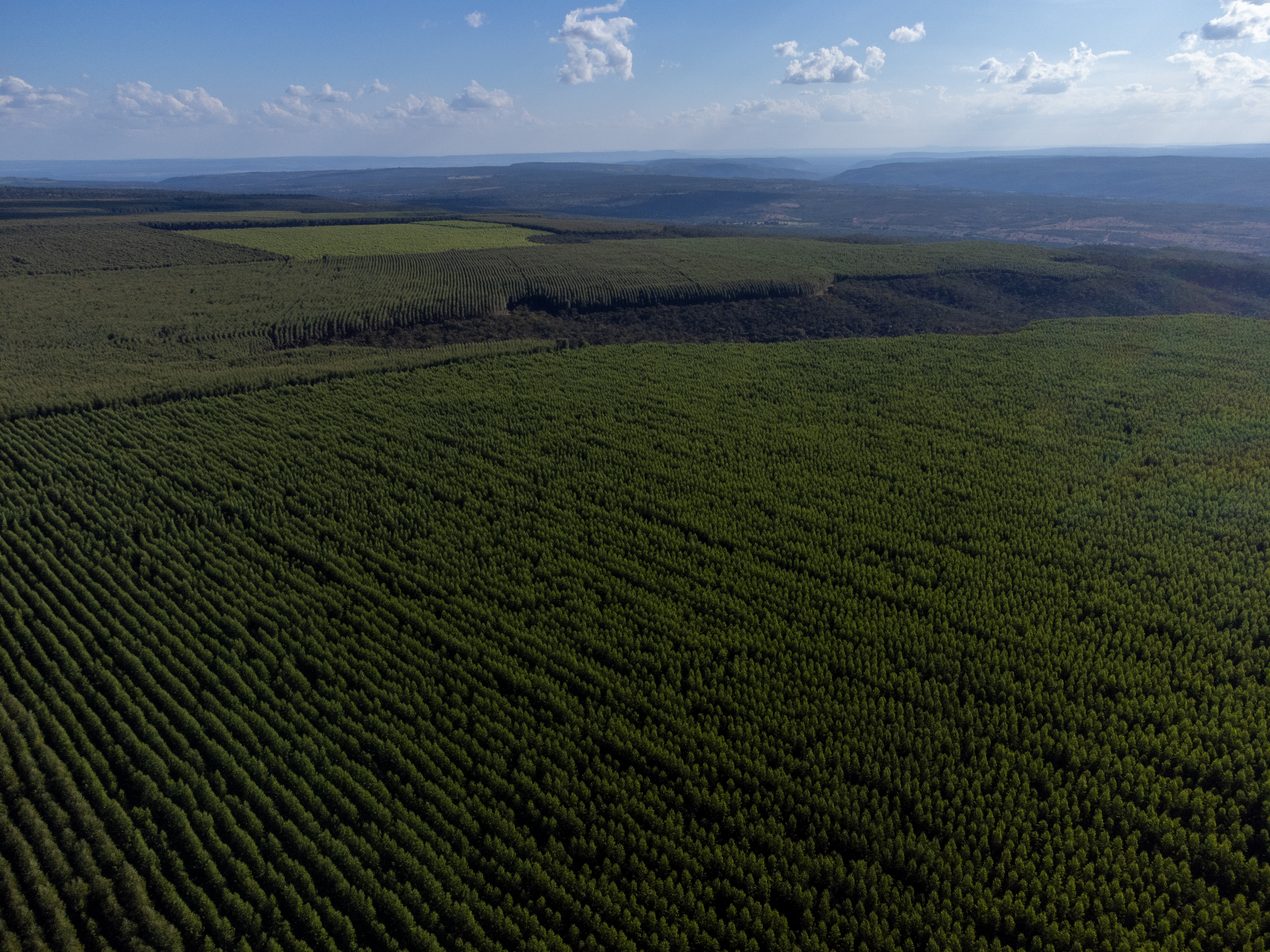
SDS Florestal works on forest supply planning, biocarbon production and the integration of the operations that supply part of the demand of the Siderflor Group's steel units. Its work is strategic to ensure quality, traceability, regular supply and operational efficiency throughout the production chain.

What is biocarbon?
Biocarbon is a carbonaceous material produced by carbonizing wood from planted forests. In the charcoal-based steelmaking route, it acts as an energy source and reducing agent in the pig iron production process. The biocarbon used by SDS is obtained from wood of renewable origin, with traceability and control throughout the chain. When combined with responsible management and origin control, it helps reduce dependence on fossil sources and strengthens a steel industry based on renewable resources.

Why use wood from planted forests?
The wood used to produce biocarbon comes from planted forests grown for industrial purposes. These areas are managed in a planned way, allowing the raw material to be renewed and reducing pressure on native forests. This model contributes to a more sustainable production chain, combining productivity, environmental responsibility and supply security.
How the production process works
The forestry operation that supplies biocarbon production is organized into three major connected stages: silviculture, harvesting and biocarbon production. Planning integrates the establishment and management of planted forests, the extraction and drying of the wood, controlled carbonization and the delivery of the input to the steel units.
Silviculture
Covers seedling production, soil preparation, planting and maintenance of the forests throughout the production cycle.
Silviculture: establishing and managing planted forests
Silviculture brings together the care needed to establish productive forests suited to the conditions of each area. The process starts with the choice of seedlings and continues with land preparation, planting and ongoing monitoring of the forest.

Seedling production
Genetic materials are defined with the support of research and development and according to the characteristics of each farm, such as climate and soil. The goal is to select seedlings adapted to local conditions and to the planned management.

Soil preparation
The area is prepared to favor the early development of the plants. The work includes removing woody residues that hinder the operation, while preserving native trees, reducing stumps when necessary, marking the planting lines according to the slope and the initial application of nutrients.

Planting
Planting follows technical recommendations for depth and spacing and may be mechanized or semi-mechanized. The activity takes place all year round: from October to February, under more favorable seasonal conditions; in the other months, with irrigation support. The operational benchmark is survival above 97%; when the rate falls below this level, replanting is carried out within 30 days, during the rainy season or before the second irrigation.

Maintenance
Throughout the cycle, soil and leaf analyses guide plant nutrition. Management also includes pest monitoring and control, maintenance of roads and drainage, and fire prevention and firefighting actions, such as campaigns, response teams and lookout points.
Harvesting
Brings together harvest planning, mechanized operations, drying
of the wood in the field and transport to the carbonization unit.
Planned harvesting: cycle, regeneration and logistics
Harvest planning
Harvesting is defined based on technical, operational, logistical and seasonal criteria. Factors considered include the age and growth curve of the trees, the distance to the carbonization unit and the conditions of the rainy season. This planning guides the annual schedule and seeks to combine safety, productivity and regular supply.
Two rotations in the forest cycle
In the model described by SDS Florestal, eucalyptus can go through two rotations of approximately seven years. After the first clear-cut, the coppice regrowth is conducted and managed to form a new rotation. After the second cut, the area returns to the establishment stage, with the planting of a new forest and the adoption of the technologies available at the time.

Felling
Trees are cut close to the ground, which allows the regrowth to be conducted after the first rotation.
Feller buncher

Skidding and processing
Trees are taken to the edge of the stands, where they are delimbed and cross-cut according to the operational schedule.
Skidder, mechanized delimbing and slasher

Drying
Logs remain in the field for an average of 150 days to reduce moisture before carbonization.
Field Drying

Transport
After drying, the wood is transported by truck to the carbonization unit.
Road logistics
Production of
biocarbon
Turns dry wood into biocarbon
to supply the steel industry.
From the forest to the blast furnace
Carbonization and supply
After drying and transport, the wood arrives at the carbonization unit. Biocarbon is produced in rectangular kilns, in cycles of approximately 15 days, with temperature monitoring. After quality control, the product goes to the steel units according to the consumption schedule, in a continuous and integrated supply logic.
1
Forest
planning

Supply scheduling, management, conservation and control of the areas.
2
Sourcing
of wood
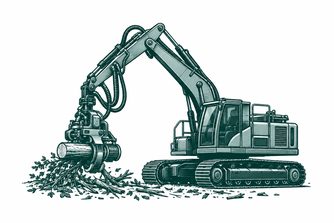
Harvesting and receipt of raw material from planted, controlled sources.
3
Transport
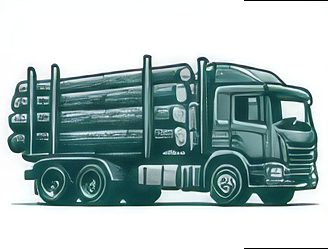
Planned movement to integrate availability, safety and logistical efficiency.
4
Carbonization
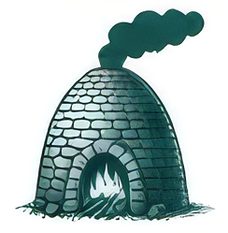
Controlled transformation of wood into biocarbon.
5
Quality
control

Verification of biocarbon parameters and process compliance.
6
Supply
to the steel units
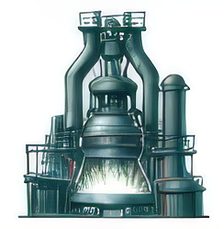
Delivery of biocarbon to the industrial units according to the consumption schedule.
Carbonization and supply
- Legal and traceable origin
of the wood. - Responsible use of forest resources.
- Protection of
conservation areas. - Prevention and fighting
of forest fires.
- Safety of own
and contracted teams. - Logistical efficiency.
- Quality control
of biocarbon. - Continuous process improvement.
Planning and operational management
SDS Florestal's operations are conducted through forest planning and continuous monitoring of operational indicators, allowing greater predictability, logistical efficiency and integration with the needs of the industrial units.
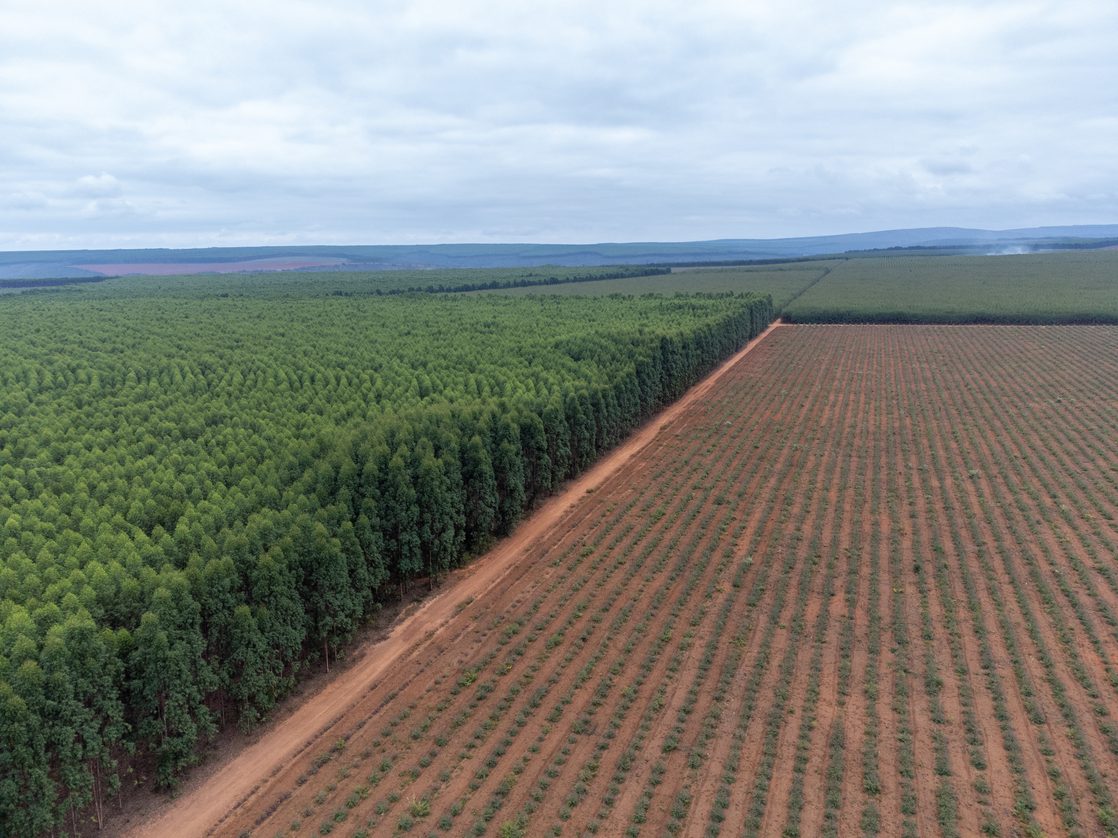
Forestry operations
SDS Florestal has operations in different regions of Minas Gerais, covering wood supply, biocarbon production and supply to the Siderflor Group's industrial units. The entire operation is planned to ensure quality, regular supply, traceability and efficiency at every stage of the process.
Production capacity
UPC PORTO NOVO
João Pinheiro/MG
Monthly capacity
4.000
MDC/month
UPC PITEIRAS
Abaeté/MG
Monthly capacity
1.200
MDC/month
UPC PALMEIRAS
Abaeté/MG
Monthly capacity
800
MDC/month
Total
capacity:
Monthly capacity
6.000
MDC/month

Sustainability
Operations are conducted with a focus on the responsible use of natural resources and continuous improvement, contributing to a more efficient production chain with lower environmental impact.

Safety
Activities follow standardized procedures, continuous training and monitoring of own and contracted teams, seeking to promote an increasingly safe work environment.

People
Operations, engineering, planning, quality, safety and environmental management teams work together in the sustainable development of the biocarbon chain.
Frequently asked questions
01
What is biocarbon?
It is the carbonaceous material produced by carbonizing wood from planted forests, used as an energy source and reducing agent in pig iron production.
02
Does the wood used by SDS come from native forests?
No. The wood used to produce biocarbon comes from planted forests intended for industrial use.
03
Why is biocarbon important for the steel industry?
It is a strategic input for pig iron production and contributes to a steelmaking route based on renewable raw materials.
04
Where are SDS Florestal's operations located?
Currently, the operations presented here are at the Porto Novo unit, in João Pinheiro/MG, and the Piteiras and Palmeiras units, in Abaeté/MG.

A commitment you can follow
Transparency means making our progress, challenges and results public as we build an increasingly sustainable way of operating.